2021–2022 / Project
Stratos IV: live video and operational camera views
Networked camera endpoints, OBS production and remote fault recovery for DARE’s Stratos IV launch campaign, serving mission control, the pad crew and the public stream.
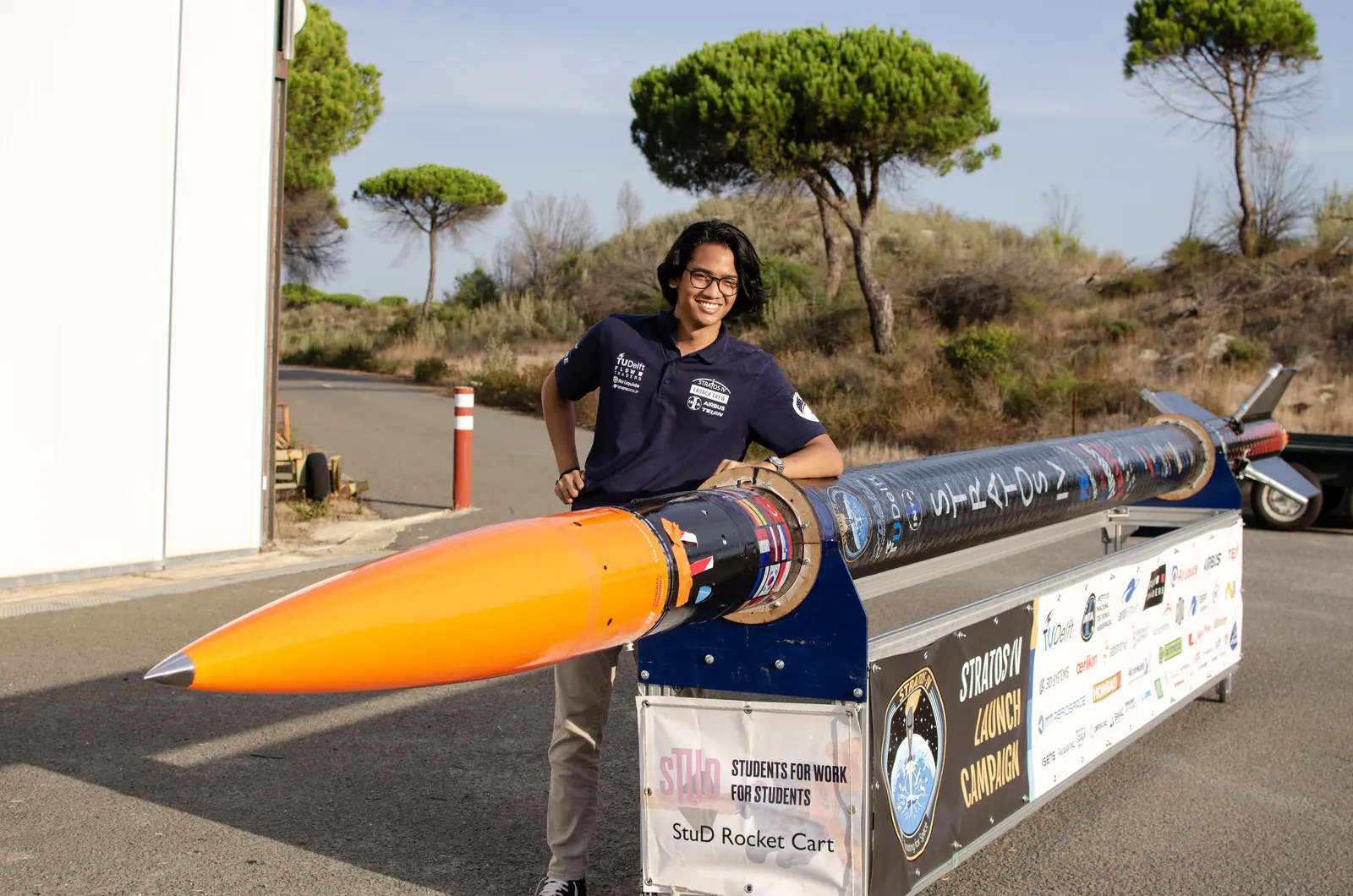
Stratos IV was a student rocket built by Delft Aerospace Rocket Engineering (DARE). In September and October 2021 the team ran its launch campaign at INTA’s CEDEA range in Moguer, Spain. The rocket did not fly during that campaign, but the attempts still needed live camera views for the people running them and a public broadcast for supporters and sponsors.
Context
The pad and the base were connected through the site’s existing fibre network, which INTA owned and managed. Mission control needed to see the tower, the umbilical and filling equipment, the pad and the nozzle area. The pad crew in the bunker and the crew viewing area needed views too. Once the flight termination system was installed, nobody was allowed back to the pad, so anything out there had to be recoverable remotely.
My work
- Set up headless Raspberry Pi camera endpoints with webcams at the pad, the bunker, mission control and the crew area, running Raspberry Pi OS Lite with a service that started the stream after boot.
- Worked with INTA’s base IT lead and DARE’s electronics team to get the access and configuration the cameras needed on the site network.
- Brought the feeds into OBS on the production laptop, arranged them as a camera matrix, and sent views back to VLC displays in mission control and the crew area.
- Ran the public YouTube stream from the same setup, with a presenter camera and microphone, the team’s TeamSpeak communications and SPX-GC lower-third graphics.
- Connected processed telemetry from the electronics team to the graphics, and tested that data path with a simulated input. A teammate decoded the radio telemetry; the rocket did not fly, so the path was never used in flight.
- Trained members of the PR crew to repeat the setup for later launch attempts.
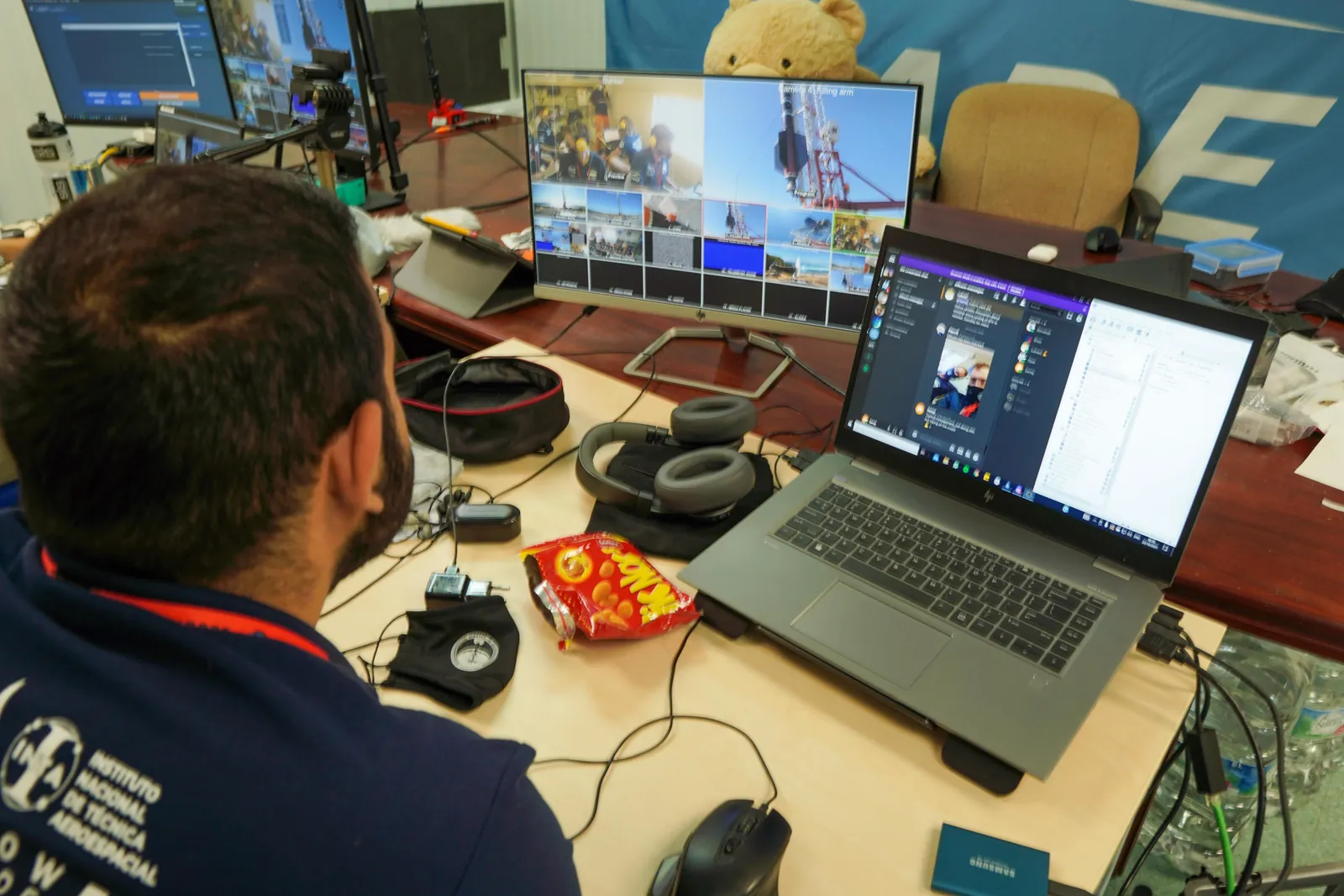
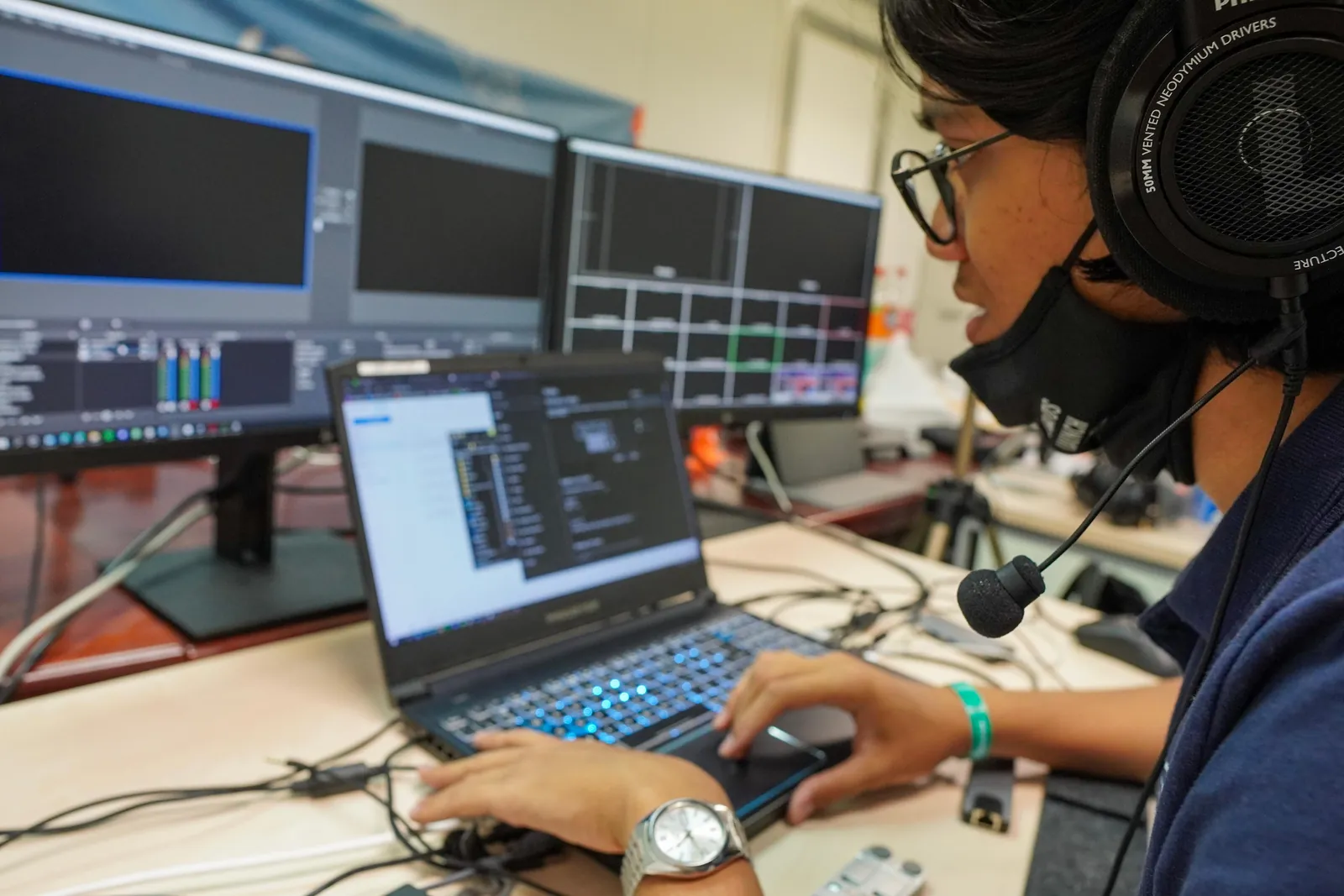
The production desk at the range: the OBS camera matrix with the bunker and filling-arm feeds, and me at the stream position running the broadcast.
The launch-attempt streams
These are the public livestreams from the campaign’s launch attempts.


A fault we had to solve
During the first dress rehearsal, camera feeds kept dropping out. We read the logs on the Pis over SSH and traced the problem to overheating in direct sunlight. Shading the Pis made the feeds stable again.
The dropouts also showed why remote recovery mattered. I could restart a stream service or reboot a Pi over SSH. For a Pi that stopped responding, a teammate proposed an Ethernet-connected Arduino and relay that could power-cycle it on command, which the team built into the setup.
The wider campaign
Before the launch campaign, I ran the PR campaign for the Stratos IV crowdfunding, from May to June 2021. It raised €15,625 from 193 donations, 130% of its €12,000 goal. I designed the Canva templates for the Instagram, Facebook and Twitter posts, wrote the documentation so other members of the PR and business team could contribute posts, scheduled the posts, and worked with the subteam leads to get the right information for each one. The posts introduced each subteam, announced reward tiers such as the mission patch, and reported progress against the goal. The Stratos IV crowdfunding page preserves the campaign and its result, and the posts are still on DARE’s Instagram.
I also standardised the visual and social-media guidelines, produced photo and video material, and delivered communications commitments for partners including Airbus, Arianespace, NLR and Teijin.
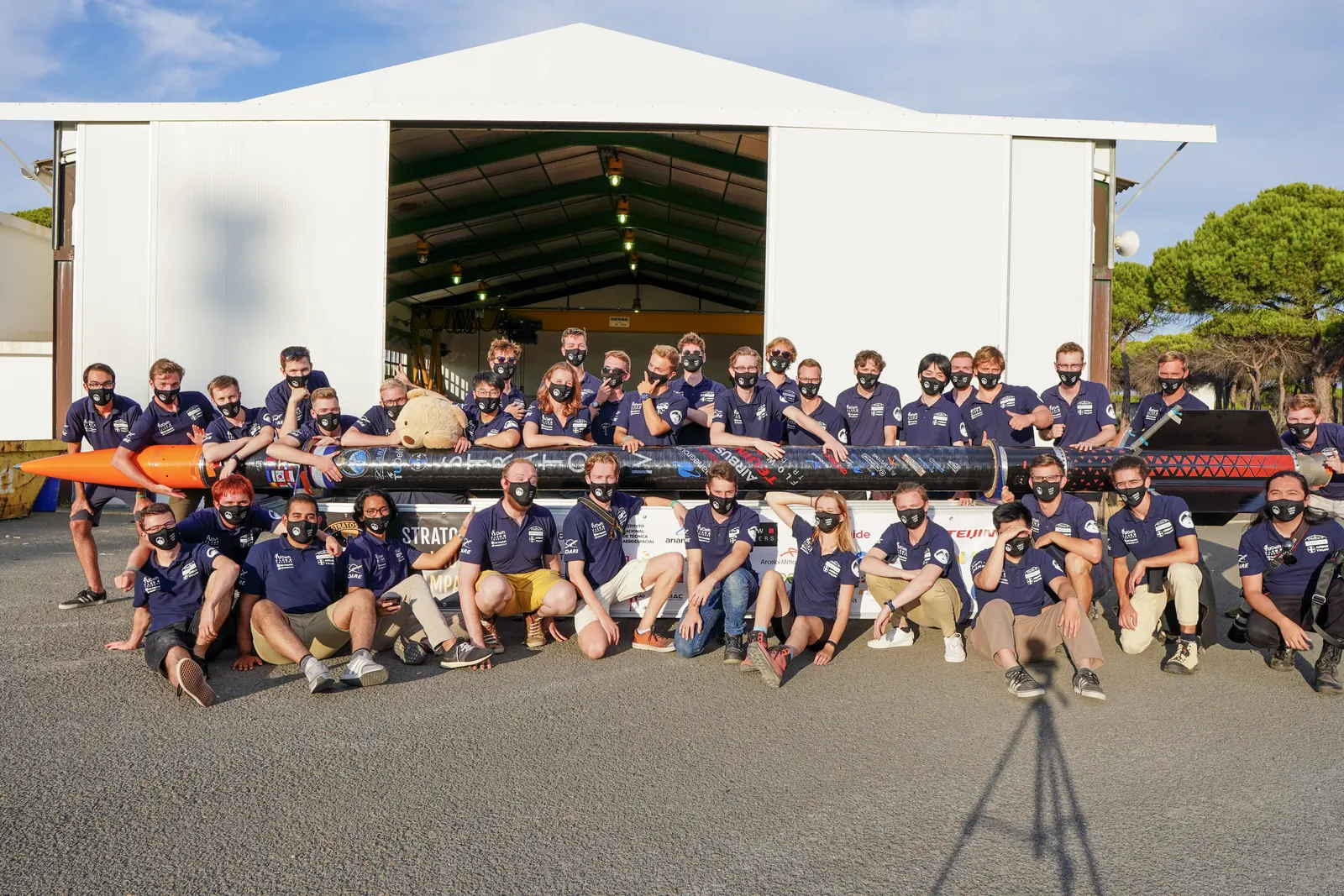
I was also the main videographer during the campaign; the documentary case study covers that work and who finished the film.
Limits of this record
The network backbone and fibre link were INTA’s, not mine. The exact camera inventory and the mechanism that served the local RTSP views are not reconstructed here, so this page gives no camera count or network diagram.